How to Protect Furniture with Bubble Wrap
Prepare, wrap and pad furniture properly so tables, cabinets and sofas arrive without chips, scratches or loose legs.
By Bubble-Wrap.my Team
Key facts
- Clean, dry and dismantle furniture before wrapping where possible.
- Pad corners and edges first; they take the most knocks.
- Tape bubble wrap to itself, never directly onto wood, leather or fabric.
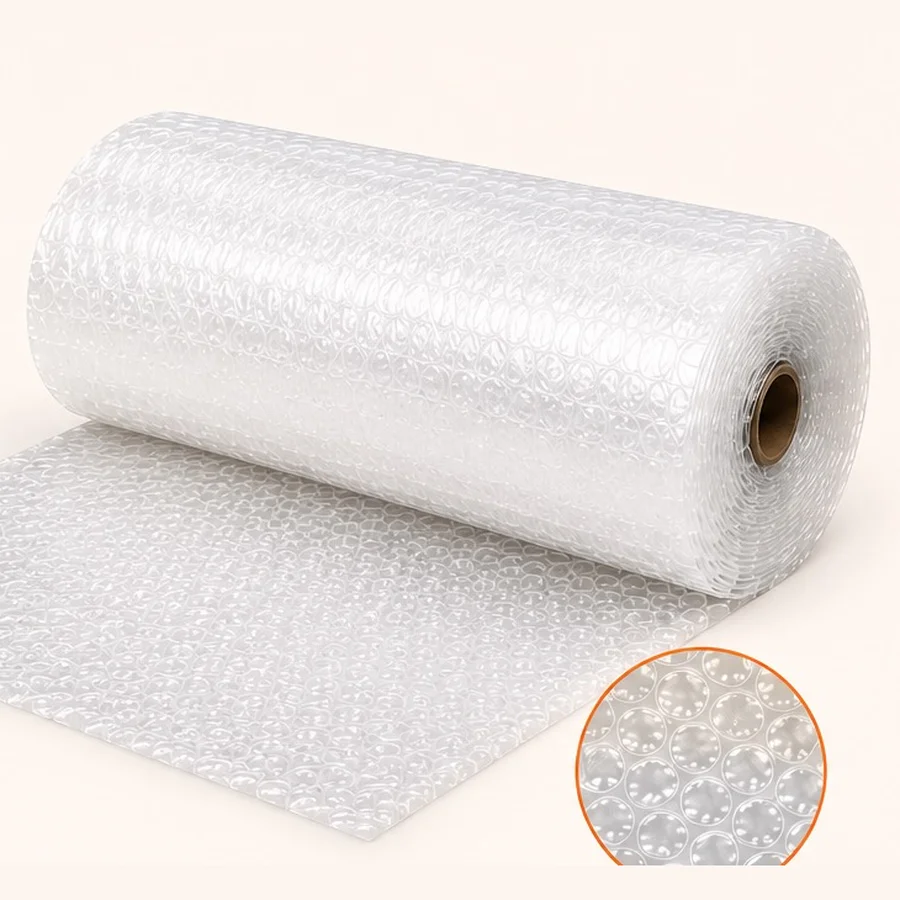
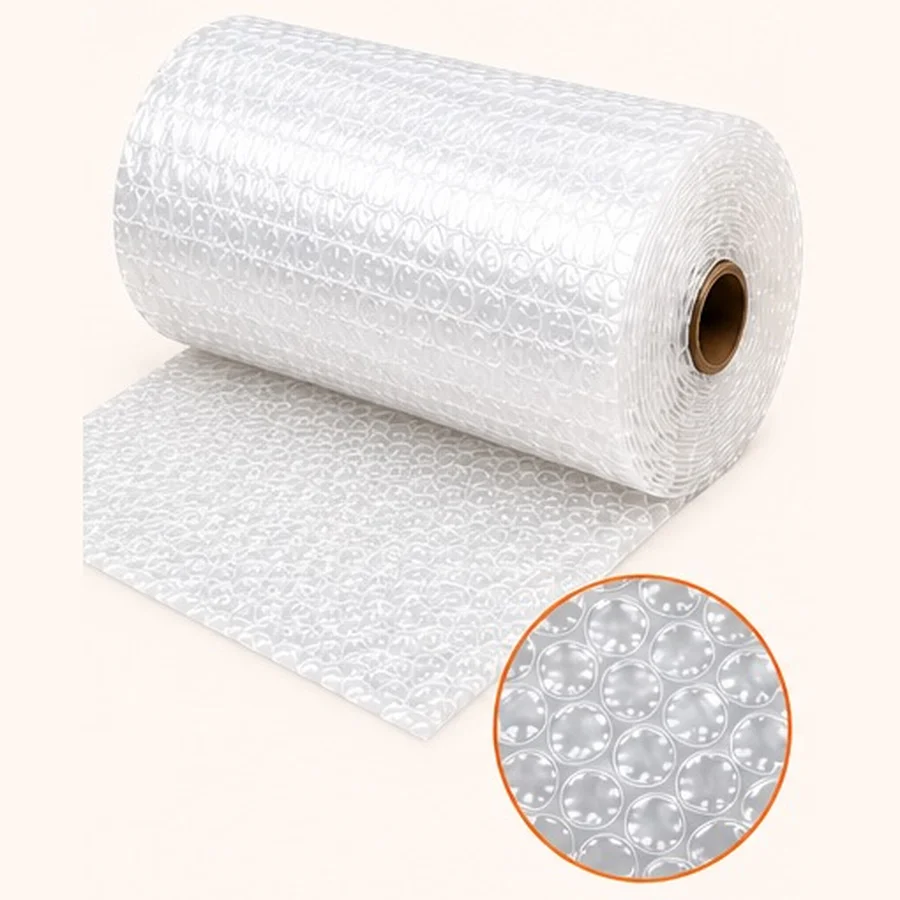
- The 1 m roll covers large surfaces quickly; narrow rolls suit legs and frames.
- All IAM bubble wrap rolls are 100 m long.
- Double layer wrap adds extra cushioning for higher-value pieces.
Furniture is heavy, awkward and surprisingly easy to damage. A table can survive a long lorry journey and still arrive with a chipped corner, a scratched top or a leg that was knocked loose while it was carried through a doorway.
Bubble wrap is one of the simplest ways to prevent that kind of damage. This guide covers how to prepare furniture, which roll to use, and how to wrap large surfaces, corners and legs so the piece arrives the way it left.
Why furniture needs a different approach
Small fragile items are usually boxed, so the carton does much of the work. Most furniture is too big for a box. The wrap itself becomes the outer layer, which means it has to deal with scraping against walls, rubbing against other items on the lorry and being gripped by hands during lifting.
Furniture also has weak points that smaller items do not: sharp corners, long thin legs, protruding handles and large flat surfaces with a finish that shows every mark. Good wrapping focuses on those points first and treats the rest of the piece as general surface protection.
Prepare the piece before you wrap
Most furniture damage starts before the wrap goes on. A few minutes of preparation makes the wrapping faster and far more effective.
- Clean and dry it. Dust and grit trapped under the wrap can rub against the surface during transport. Make sure the piece is completely dry before wrapping.
- Take it apart where you can. Remove legs, shelves, doors and headboards if they are designed to come off. Smaller parts are easier to wrap well and less likely to snap.
- Bag the hardware. Put screws, bolts and brackets in a small bag, label it, and tape it to the main piece or keep it in a single box.
- Empty drawers and secure doors. Take everything out of drawers, then tape drawers and doors shut with a low-tack tape or tie them with a strap so they do not swing open.
- Remove glass and mirrors. Loose glass panels, shelves and mirrors should be wrapped separately, not left in place.
Choosing the right roll for furniture
Width matters more for furniture than for almost anything else. Every roll on this site is 100 m long, so the choice is mainly about width and layer type.
| Furniture item | Suggested roll | Why |
|---|---|---|
| Table tops, wardrobes, sofas, cabinets | Single layer, 1 m wide | Covers large surfaces quickly with fewer joins |
| Solid wood, lacquered or higher-value pieces | Double layer, 1 m wide | Extra cushioning against knocks and scratches |
| Legs, arms, frames and rails | Single layer, 0.33 m or 0.5 m wide | Easier to spiral around long, narrow parts |
| Corners and edges | Double layer offcuts or narrow rolls | Adds padding where impacts are most likely |
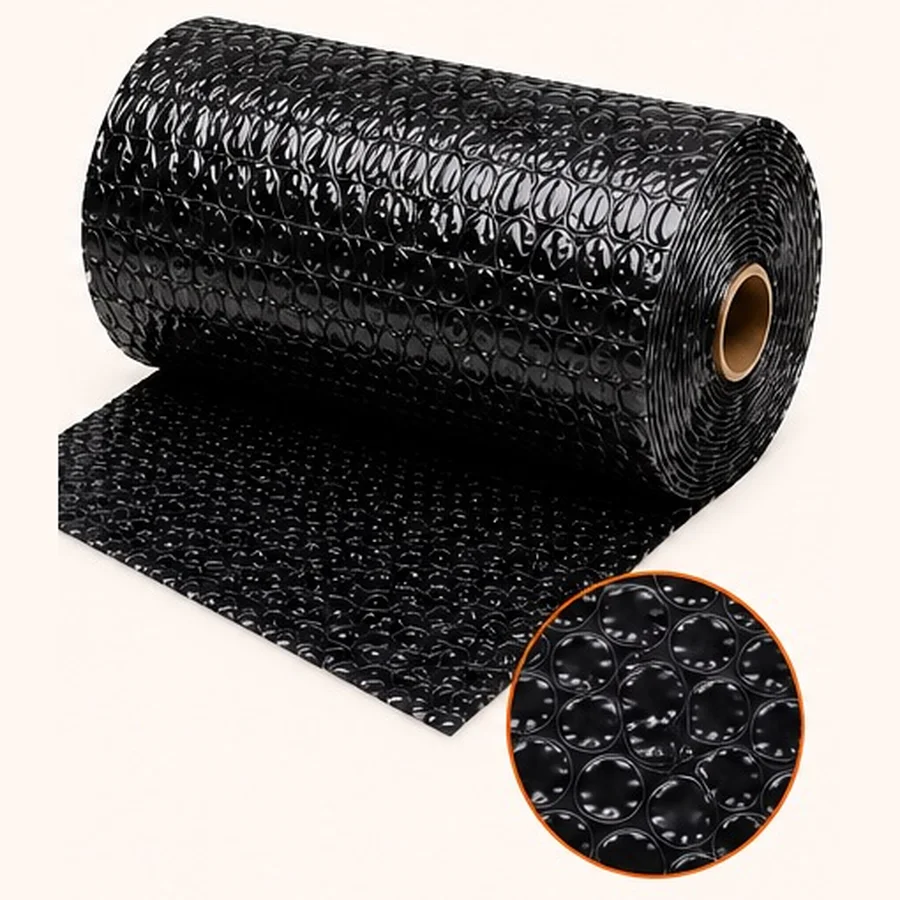
| Pieces going into shared storage | Black bubble wrap, 1 m wide | Opaque, so contents are not on display |
The 1 m single layer roll comes in a Standard (4.5 kg) grade and a Premium (5 kg) grade. The 1 m double layer roll is 6 kg. For regular furniture work, many businesses keep a wide roll for surfaces and a narrow roll for legs and frames.
How to wrap furniture step by step
Work on a clean floor or a blanket so the piece is not scraped while you wrap it. Having a second person helps with anything large.
- Protect the finish. For polished, lacquered or freshly finished surfaces, put a soft cloth or a layer of plain paper down first. This keeps the plastic from sitting directly on a delicate finish for long periods.
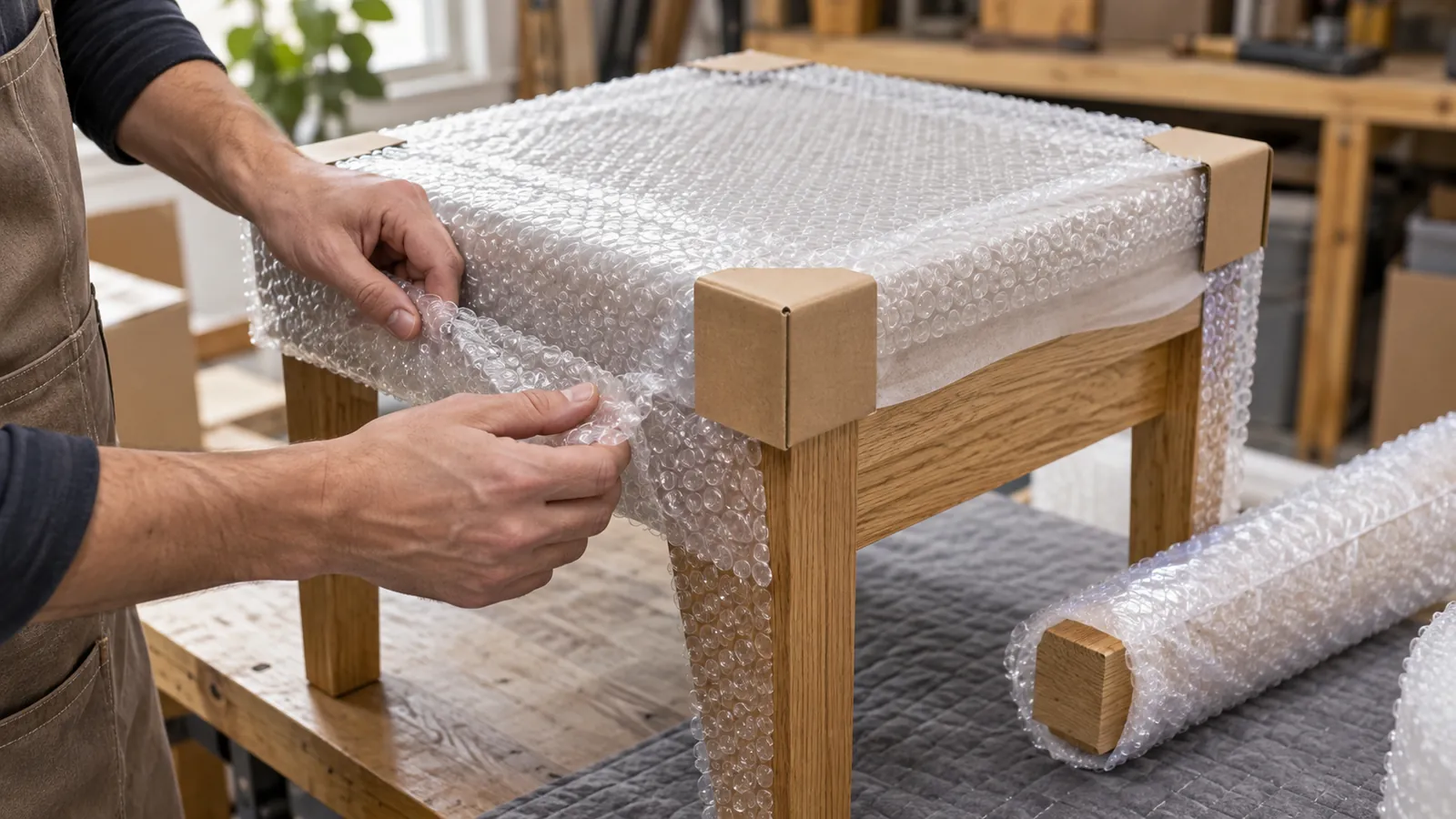
- Pad the corners. Fold a piece of bubble wrap over each corner and tape it in place before wrapping the whole piece. Corners take the most knocks.
- Wrap the main body. Roll the wrap around the piece, overlapping each pass so there are no gaps. Keep the wrap snug but not so tight that it crushes the bubbles.
- Tape wrap to wrap. Only apply tape to the bubble wrap itself, never directly to wood, leather or fabric, where it can leave marks or lift a finish.
- Wrap legs separately. If legs cannot be removed, spiral a narrow roll along each one from the bottom up, then tape the end.
- Label it. Write the room, the item and which way is up on a strip of tape stuck to the wrap.
Corners, legs and edges
These are the parts that hit door frames, lorry walls and other furniture. Give them more than one layer. A simple method is to cut short strips of double layer wrap, fold them over each corner and edge, and then cover everything with the main wrap.
For chair and table legs, pay attention to the feet. They are often the first part to touch the ground when a piece is set down, and they can scratch the wrap of anything they are stacked against. A small extra wrap around each foot helps.
Handles and knobs should either be removed or given their own small wrap so they do not press through the outer layer. For more general technique on fragile parts, see how to wrap fragile items.
Upholstered and delicate finishes
Sofas, fabric chairs and leather pieces need a little more thought. Bubble wrap protects well against knocks and dirt, but plastic wrapped tightly around fabric or leather for a long time can trap moisture, especially in humid weather.
- For short moves, wrap upholstered pieces directly and unwrap them soon after arrival.
- For longer storage, cover fabric or leather with a breathable layer such as a cotton sheet first, then wrap.
- Avoid stacking heavy items on top of wrapped upholstery, which can flatten both the bubbles and the cushions.
Glass table tops and mirrors should be wrapped as separate items with extra padding on the edges. Our guide to which side of bubble wrap faces in covers practical tips on bubble direction for smooth surfaces.
Storing and moving wrapped furniture
Once wrapped, keep furniture off bare concrete where possible, and do not lean heavy pieces against each other on their corners. If you are packing for a house or office move, bubble wrap for moving has a room-by-room plan.
Wrap can often be reused if you unwrap carefully and cut along the tape rather than tearing through the bubbles. See storing and reusing bubble wrap for how to keep offcuts in good condition.
For furniture work, start with our transparent single layer bubble wrap in 1 m width, add double layer bubble wrap for corners and higher-value pieces, and use black bubble wrap when you want contents hidden. Buying for a moving or furniture business? Request a quote through our bulk order page or WhatsApp us for the latest price.