Single vs Double Layer Bubble Wrap: Which Do You Need?
Single layer is light and economical; double layer gives stronger cushioning for fragile, higher-value goods. Here is how to choose.
By Bubble-Wrap.my Team
Key facts
- Single layer is our lowest-cost bubble wrap, for lightweight cushioning and surface protection.
- Double layer gives stronger cushioning and shock absorption for fragile, higher-value items.
- A 1 m single layer roll is 4.5 kg (Standard) or 5 kg (Premium); a 1 m double layer roll is 6 kg.
- Single layer widths: 0.2 m, 0.25 m, 0.33 m, 0.5 m and 1 m.
- Double layer widths: 0.25 m, 0.33 m, 0.5 m and 1 m.
- Every roll is 100 m long.
One of the most common questions we get from sellers and warehouses is whether they really need double layer bubble wrap, or whether single layer will do the job. The honest answer is that it depends on what you are packing.
This guide explains the difference between the two, when each one makes sense, and how to avoid paying for more protection than you need, or less.
What is the difference?
Both types are made from plastic film with trapped air bubbles. The difference is in how much material and cushioning you get.
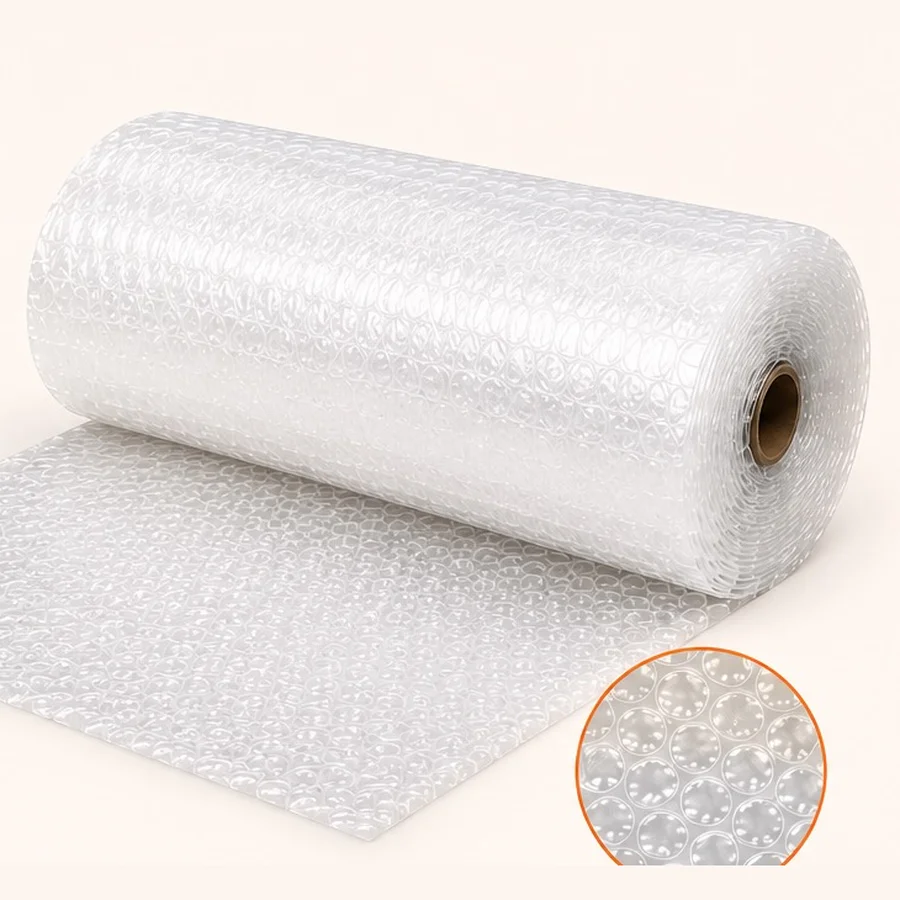
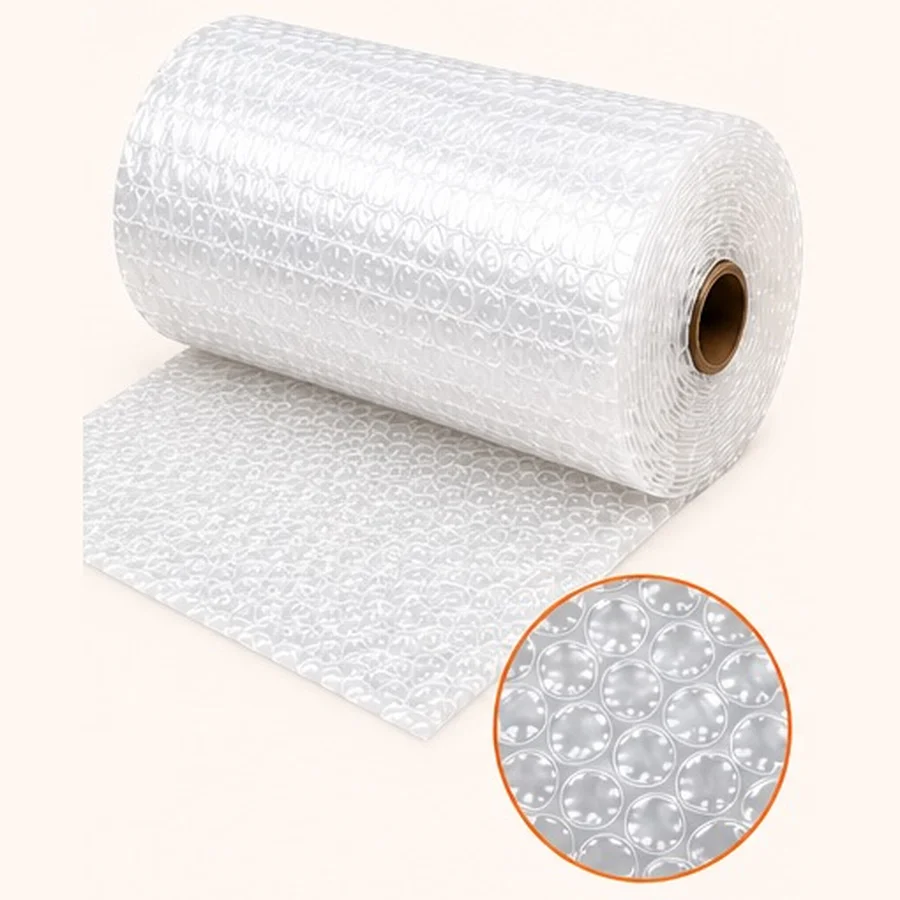
Single layer bubble wrap has bubbles on one side and flat film on the other. It is light, flexible and economical. In our catalogue it is described as our lowest-cost bubble wrap solution, designed to provide lightweight cushioning and surface protection during storage and transportation.
Double layer bubble wrap adds an extra layer of film, so the bubbles are covered on both sides. It is our enhanced protection option, designed to provide superior cushioning and shock absorption for fragile and higher-value products. The extra layer also makes it more robust in handling.
You can see the difference in the roll weights. For the 1 m wide, 100 m long rolls:
| Product | 1 m roll weight |
|---|---|
| Transparent single layer, Standard | 4.5 kg |
| Transparent single layer, Premium | 5 kg |
| Transparent double layer | 6 kg |
A heavier roll of the same size simply means more material in every metre you use.
When single layer is enough
Single layer bubble wrap is the everyday workhorse for a lot of businesses. It is a good fit when the main job is to stop scratches and soften light knocks.
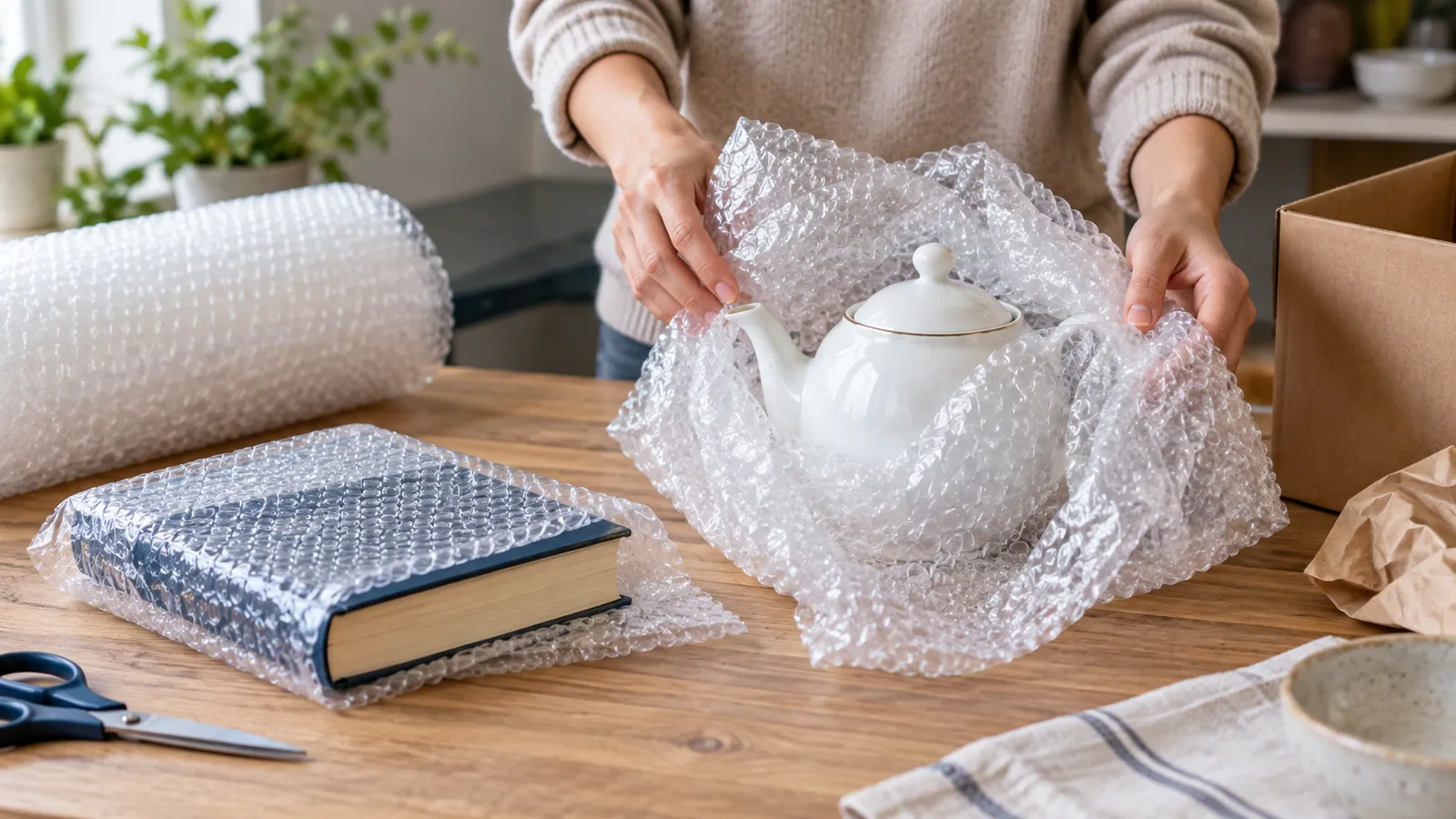
- Clothing accessories, bags and soft goods that just need a clean protective layer.
- Sturdy products such as plastic items, tools, books and boxed goods.
- Wrapping several items so they do not rub against each other in the carton.
- Protecting stock in storage from dust and surface marks.
- Filling empty space in a box to stop items shifting.
If you pack a high volume of low-risk orders, single layer keeps your cost per parcel down. For more demanding jobs on the 1 m roll, the Premium grade gives you more material than the Standard grade while staying in the single layer range.
When to choose double layer
Double layer bubble wrap is worth it when a breakage would be expensive, hard to replace, or damaging to your reputation. Our catalogue describes it as ideal for items requiring extra protection against impact, scratches and damage.
- Glassware, ceramics and mirrors.
- Electronics, gadgets and small appliances.
- Higher-value products where a return costs you far more than the wrap.
- Items with delicate finishes or corners that chip easily.
- Parcels that pass through many hands before reaching the customer.
A useful rule of thumb: if you would be worried about a parcel being dropped, use double layer for that product.
Cost versus protection
It is tempting to use the cheapest wrap for everything, but a single broken item can wipe out the savings from many parcels. On the other hand, using double layer on sturdy goods adds cost without adding much value.
Many businesses keep both on hand:
- Use single layer as the default for general, lower-risk orders.
- Switch to double layer for fragile or higher-value products.
- Review your returns and damage reports every so often, and move a product up to double layer if it keeps getting damaged.
This simple approach keeps costs sensible while protecting the orders that matter most. It also helps your packing team, because the rule is easy to remember.
Watch for signs that a product needs an upgrade. If customers report chipped corners, cracked items or scuffed surfaces, or if your team finds themselves adding many extra turns of single layer wrap to feel safe, double layer is likely the better choice. Using fewer turns of a stronger wrap can be quicker to pack and gives more consistent protection.
It also helps to think about the customer. A product that arrives damaged means a refund or replacement, extra shipping, and often a disappointed buyer who may not order again. For products where that risk is real, the extra material in double layer wrap is usually money well spent.
Choosing a width
Both types come in 100 m rolls. Single layer is available in 0.2 m, 0.25 m, 0.33 m, 0.5 m and 1 m widths. Double layer is available in 0.25 m, 0.33 m, 0.5 m and 1 m widths.
Narrow rolls are handy for small items and quick wrapping at a packing station. The wider rolls suit larger products and cutting sheets to your own sizes. Our guide to bubble wrap roll sizes explains which width suits which job.
What about black bubble wrap?
If you also need privacy, our black bubble wrap comes in both single layer and double layer, in the 1 m × 100 m size. The same logic applies: single layer for everyday protection, double layer for fragile and high-value items. The opaque film simply adds the benefit of hiding the contents. See clear vs black bubble wrap for more on when that matters.
Getting the most from either type
Whichever you choose, technique matters as much as the material. Wrap items individually, use enough layers so the item cannot be felt when you press lightly, tape the wrap closed and fill empty space in the box. Our step-by-step guide on how to wrap fragile items walks through the process, and common packing mistakes shows what to avoid.
Ready to order? Choose transparent single layer bubble wrap for everyday packing or transparent double layer bubble wrap for fragile goods. For larger quantities, request a bulk quote, or WhatsApp us for the latest price.