Storing, Reusing and Disposing of Bubble Wrap
How to store bubble wrap rolls so they stay clean and uncrushed, how to reuse old bubble wrap sensibly, and how to dispose of it responsibly.
By Bubble-Wrap.my Team
Key facts
- Store rolls indoors, off the floor and out of direct sun
- Never stack heavy goods on bubble wrap rolls
- Reuse clean, mostly intact sheets; use worn pieces as void fill
- Remove tape and labels before reusing or recycling
- Check with your local recycler whether they accept plastic film
- Every IAM roll is 100 m long, saving shelf space
Bubble wrap is often used once and thrown away, but it does not have to be. Stored properly, a roll stays in good condition until you need it, and many pieces can be used again after they arrive on an incoming delivery. When it finally reaches the end of its useful life, a little care helps it go to the right place.
This guide covers how to store bubble wrap rolls in a shop, warehouse or home, how to reuse it sensibly, and how to dispose of it responsibly in Malaysia.
How to store bubble wrap rolls
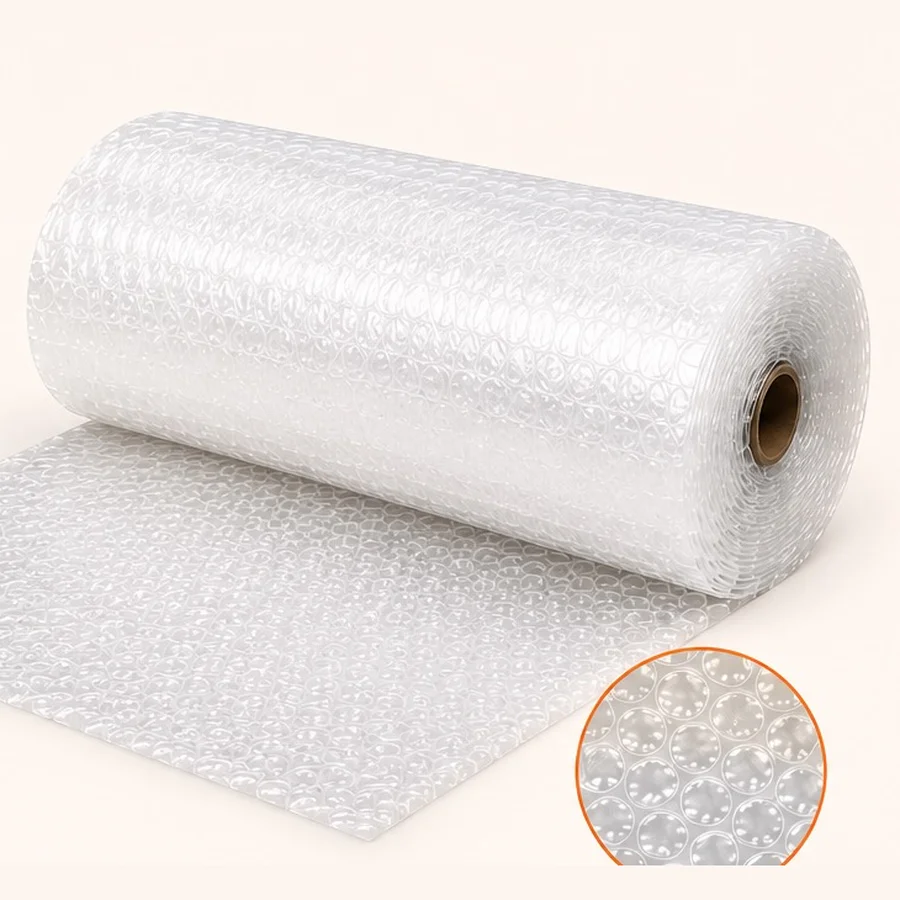
Bubble wrap is a plastic film, usually polyethylene, with air trapped in the bubbles. It is light and tough, but the bubbles can be flattened and the film can get dirty or torn. Good storage keeps it clean, dry and uncrushed.
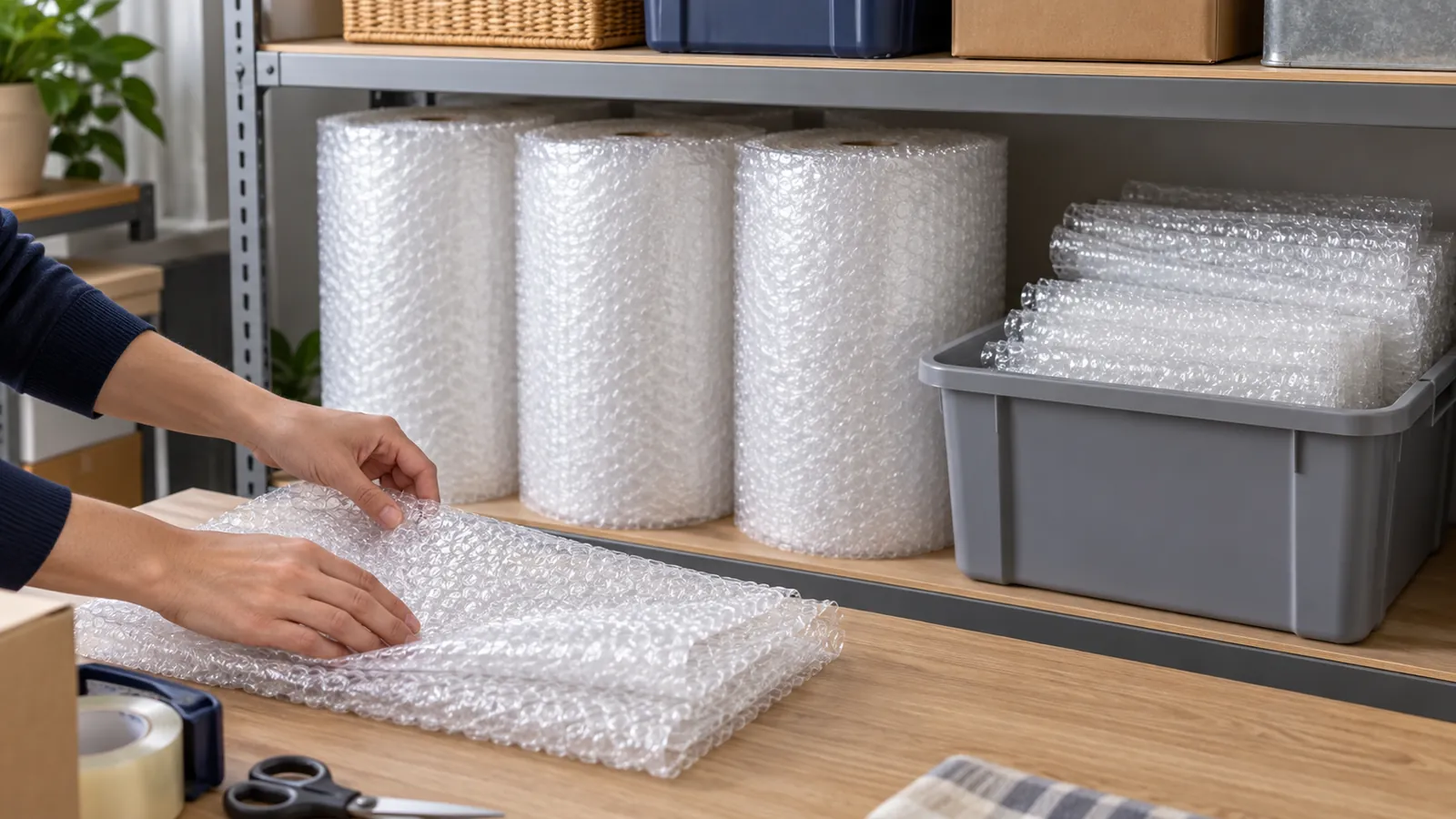
- Keep it off the floor. Store rolls on shelves, pallets or racks so they stay away from dust, spills and water.
- Keep it out of direct sun. Store rolls indoors, away from windows and hot spots such as roofs or the back of a parked vehicle. Heat and strong sunlight are not kind to plastic film over time.
- Do not stack heavy goods on top. Weight on a roll flattens the bubbles, and flat bubbles cushion less.
- Stand rolls upright or lay them on a rack. Either works; what matters is that nothing presses into them.
- Keep the outer wrapper on until you need the roll, so the film stays clean.
Setting up a packing station
For e-commerce sellers and warehouses, the way you store bubble wrap at the packing table affects speed and waste.
A simple roll holder or dispenser lets staff pull and tear the length they need, instead of cutting random pieces that end up on the floor. Our rolls are 100 m long, and the width you keep at the table should match your usual products:
| Product type | Handy width |
|---|---|
| Small accessories, cosmetics, bottles | 0.2 m, 0.25 m or 0.33 m |
| Medium items, small appliances | 0.5 m |
| Large, bulky or mixed items | 1 m |
Keep a spare roll of each width you use on the shelf nearby so packing does not stop when a roll runs out. Our roll sizes guide explains each width in more detail.
Reusing bubble wrap
Reusing bubble wrap saves money and cuts waste. Many businesses receive stock wrapped in it, and households get it in online orders and after moves.
Before reusing a piece, check it:
- Is it clean? Dust, oil or food marks can transfer to your products.
- Are most bubbles intact? A sheet with many popped bubbles protects less.
- Is it free of large tears and old tape? Remove tape and labels so they do not stick to the next item.
- Is it big enough? Small offcuts are better used as filler than stitched together as wrap.
Good pieces can be used again for wrapping. Tired pieces still work well as void fill: scrunch them up and use them to stop items moving inside a box.
Where reused bubble wrap works best
- Void fill and top padding in outgoing parcels
- Protecting stock on warehouse shelves from dust and scratches
- Storing seasonal items, decorations and spare kitchenware at home
- Wrapping items for your next house or office move
- Protecting tools, spare parts and equipment in storage
For customer-facing parcels, especially higher-value goods, fresh bubble wrap gives a cleaner, more professional look. Many sellers reuse film internally and use new film for the outer wrap the customer sees.
Storing items in bubble wrap long term
Bubble wrap is also useful for keeping items safe in storage, not just in transit.
- Make sure items are clean and dry before wrapping. Trapping moisture against wood, metal or fabric is not a good idea in a humid climate.
- Add a layer of paper or cloth between delicate finishes and the film if you plan to store them for a long time.
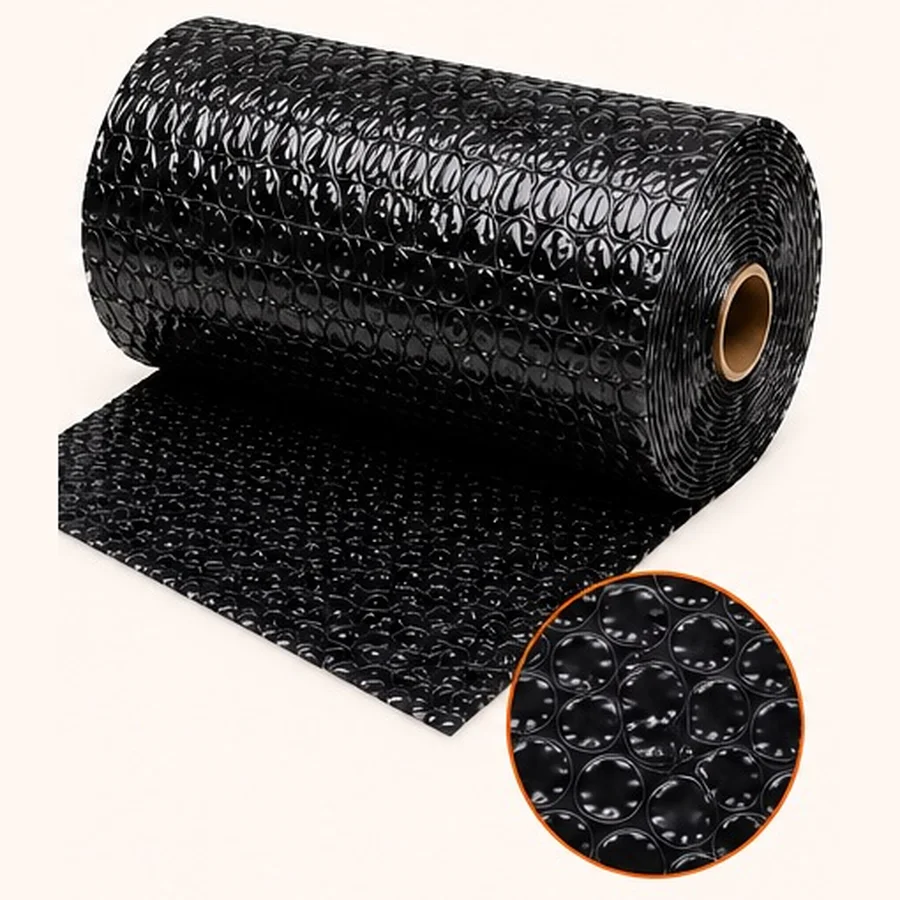
- Label everything. Clear bubble wrap lets you see the item; black bubble wrap hides it, so write the contents on the outer box.
- Use sturdy cartons and store them off the floor.
Disposing of bubble wrap responsibly
When bubble wrap is too worn to reuse, try not to send it straight to general rubbish.
- Check with your local recycler whether they accept plastic film. Acceptance varies, so it is worth asking.
- Keep it clean and dry. Remove tape, labels and paper before handing it over.
- Collect it separately. In a warehouse, a dedicated bag or bin for clean plastic film makes it easier to pass on in one go.
- Offer it to others first. Neighbours, small sellers and people moving house are often happy to take clean bubble wrap.
The best way to reduce waste is to buy the right amount and the right type. Using double layer only where you need it, and single layer for general packing, avoids over-wrapping. Our guide on single vs double layer bubble wrap helps you choose, and common packing mistakes shows where film is often wasted.
Buying for easy storage
Because every IAM Worldwide roll is 100 m long, a few rolls take up far less shelf space than piles of loose sheets. For regular users, ordering in bulk means fewer deliveries and a steady stock on the shelf. We manufacture bubble wrap locally and ship from our warehouse in Pelabuhan Klang, Selangor.
Browse Transparent Single Layer Bubble Wrap, Transparent Double Layer Bubble Wrap and Black Bubble Wrap, or see all bubble wrap. For regular volumes, request a bulk quote or WhatsApp us for the latest price. You can also visit our showroom in Klang, Mon–Fri 8:00am–6:00pm.