Using Bubble Wrap to Protect Stock in Storage
Stock gets scuffed, dented and dusty on the shelf. Learn which products to wrap, how to wrap them for racks, and how to keep them easy to pick.
By Bubble-Wrap.my Team

Key facts
- Storage damage is usually gradual: scuffs, dents, dust and crushing.
- Wrap items with polished surfaces, fragile edges or higher value first.
- Make sure stock is clean and dry before wrapping.
- Transparent wrap keeps stored products easy to identify.
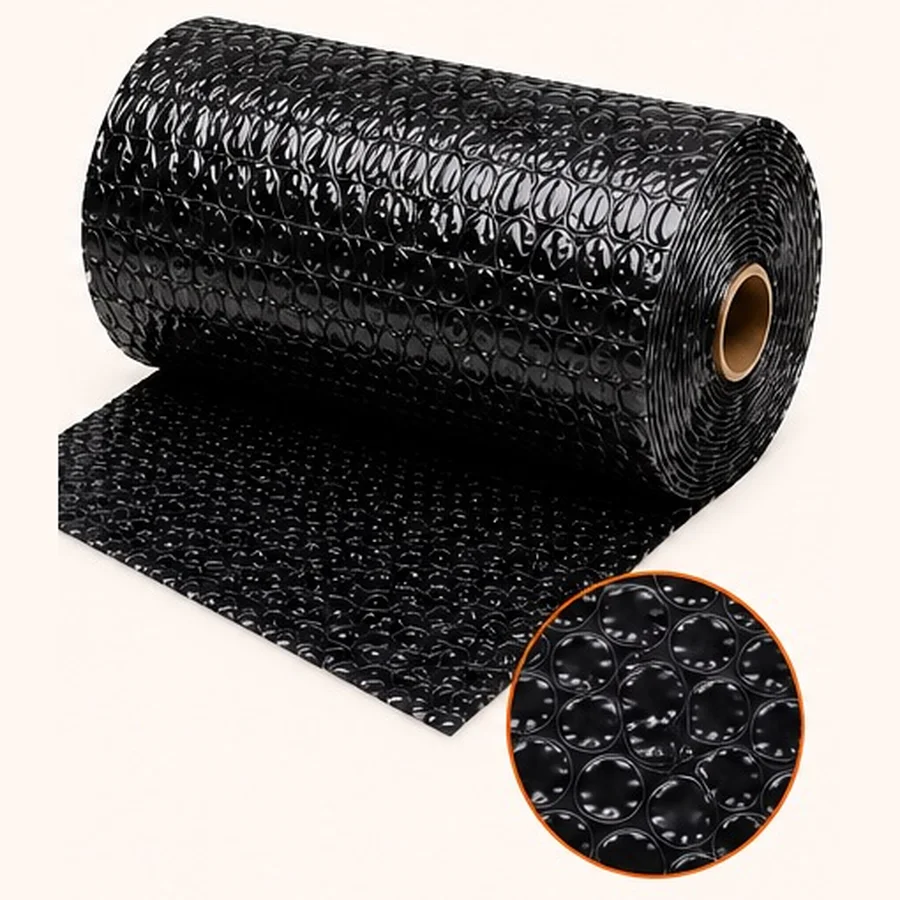
- Black bubble wrap conceals confidential or high-value stock.
- Place labels and barcodes on the outside of the wrap.
Stock sitting on a shelf is not always safe. Products in storage get moved, stacked, picked, restacked and brushed past by trolleys and people. Over weeks or months, that handling adds up to scuffs, scratches, dents and dust that make items harder to sell.
Bubble wrap is best known for shipping, but it is just as useful inside a warehouse, stockroom or factory store. This guide covers which stock benefits from wrapping, how to wrap it for shelves and racks, and how to keep wrapped stock easy to identify and pick.
What storage damage looks like
Storage damage is usually gradual rather than dramatic. Common problems include:
- Surface scratches and scuffs from items rubbing against each other or against shelving.
- Dents and chipped edges when stock is knocked during picking or moved with a trolley.
- Dust and dirt settling on products that sit for a long time.
- Crush damage when heavier items are stacked on top of lighter ones.
Each of these can turn saleable stock into seconds or returns. A layer of bubble wrap adds cushioning and surface protection that reduces all of them.
Which stock benefits most from wrapping
Not every product needs wrapping in storage. Focus your effort on items where damage is likely or expensive.
Good candidates include products with polished, painted or glossy surfaces, anything made of glass or ceramic, items with fragile edges or protruding parts, and higher-value stock where a single damaged unit is costly. Spare parts, finished goods waiting for dispatch and display items that go back into storage between events are also worth protecting.
Products already sealed in their own sturdy retail boxes may not need wrapping on the shelf, although the boxes themselves can still benefit from protection if they are part of the product's presentation.
How to wrap stock for shelves and racks
Wrapping for storage is a little different from wrapping for shipping. The aim is to protect surfaces and edges while keeping items easy to handle and check.
- Make sure items are clean and dry. Wrapping traps whatever is on the surface, including moisture and grit.
- Wrap exposed surfaces and edges. For stock that is not shipped immediately, one layer of single layer wrap is often enough to guard against scuffs and dust.
- Add more protection for fragile items. Use double layer wrap for glass, ceramics and higher-value pieces that could be knocked during picking.
- Tape neatly and sparingly. Tape the wrap to itself so it can be opened for inspection without damaging the product.
- Stack with care. Put heavier wrapped items on lower shelves and avoid tall stacks of fragile stock, even when it is wrapped.
For wrapping techniques on specific item types, see our guide on how to wrap fragile items.
Clear or black wrap for stored stock?
The colour of your wrap affects how easily staff can find and check stock.
| Situation | Suggested wrap | Reason |
|---|---|---|
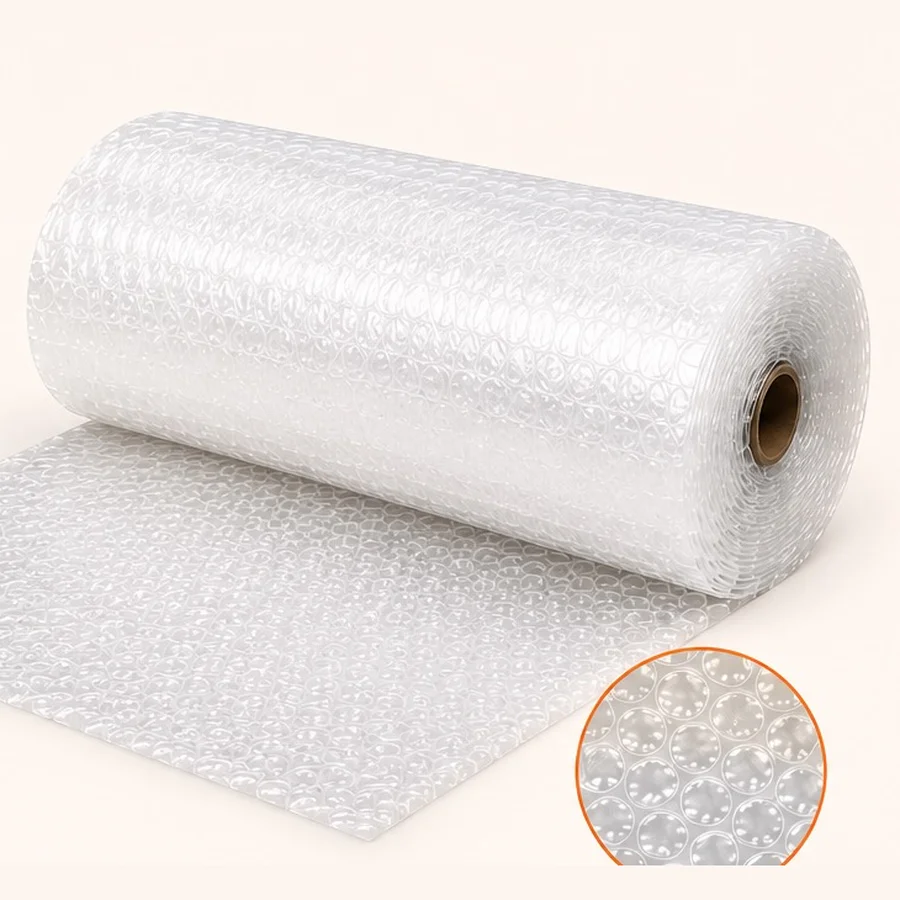
| General stock picked often | Transparent single layer | Staff can see the product without unwrapping it |
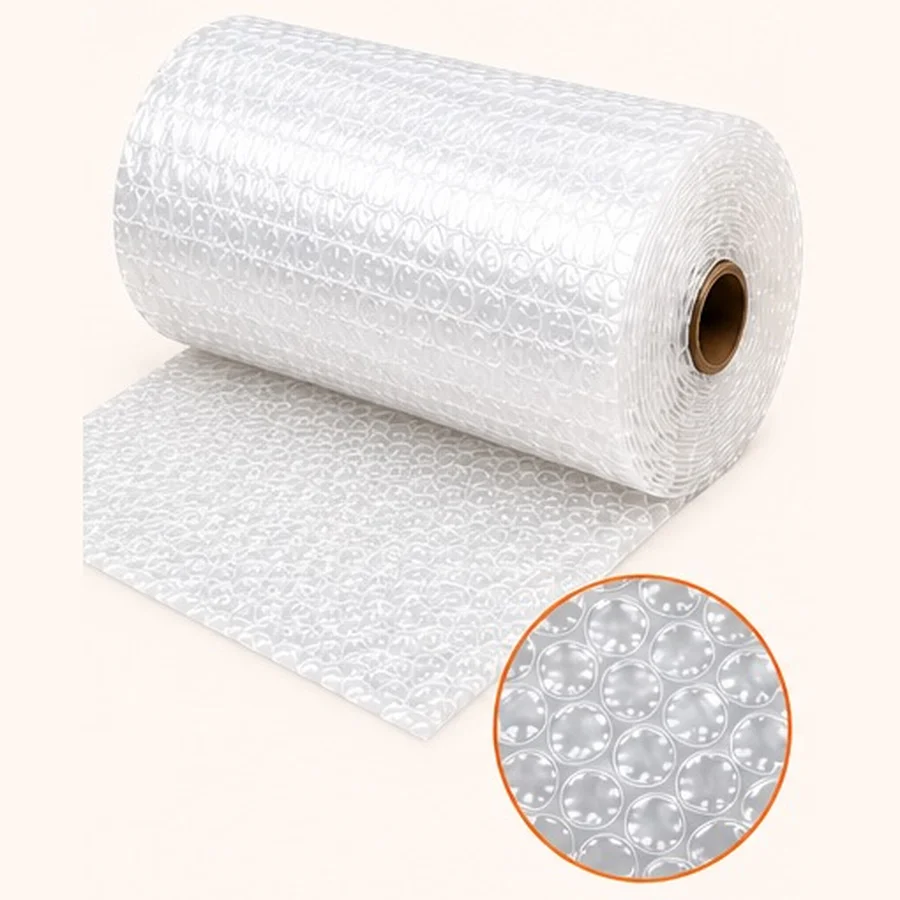
| Fragile or higher-value stock | Transparent double layer | Extra cushioning while keeping items visible |
| Confidential or high-value stock | Black bubble wrap | Opaque wrap conceals contents from casual view |
Transparent wrap is usually the practical choice for everyday stock because it keeps product identification easy. Black wrap is useful where you would prefer that visitors, contractors or passing staff cannot see what is stored, such as prototypes, high-value goods or customer orders waiting for collection. Our guide on clear vs black bubble wrap compares the two in more detail.
Labelling and stock control
Wrapping should never make stock harder to manage. Wherever possible, place labels and barcodes on the outside of the wrap, or leave the product label visible through clear wrap. For black wrap, a clear outer label is essential, since nothing inside can be seen.
It also helps to agree a simple standard across your team: which products are wrapped, which wrap type is used, and where labels go. A consistent approach makes picking faster and cuts down on items being unwrapped just to check what they are.
Keeping the storage environment in mind
Bubble wrap protects against knocks and scratches, but it does not replace good storage conditions. Keep wrapped stock off damp floors, away from direct sunlight and away from anything sharp on racking. If products may be damp when they arrive, let them dry before wrapping so moisture is not sealed in.
Check long-term stock now and then. Rewrap anything where the wrap has torn, and reuse wrap from incoming deliveries where it is still in good condition. Our guide on storing and reusing bubble wrap covers how to keep rolls and offcuts usable, and bubble wrap roll sizes helps you choose widths for your racks.
From storage to dispatch
Stock that has been wrapped for storage is not automatically ready to ship. Storage wrapping is designed to guard against scuffs and knocks on the shelf, while a parcel faces drops, vibration and pressure from other parcels. Before dispatch, check the storage wrap for tears and decide whether the item needs more protection.
In many cases you can keep the storage layer and add to it: pad the corners, add further layers for fragile items and fill gaps in the box. This saves time and material compared with unwrapping and starting again. For fragile goods, our guides on bubble wrap for e-commerce and common packing mistakes explain how to prepare items for the journey.
To protect your stock, browse our Transparent Single Layer Bubble Wrap, Transparent Double Layer Bubble Wrap and Black Bubble Wrap, all in 100 m rolls. For warehouse quantities, request a quote on our bulk order page or WhatsApp us for the latest price.